What It Is Like To Live In Prospect Lefferts Gardens
May 28, 2026
May 28, 2026
If you are looking for a Brooklyn neighborhood that feels residential, close to green space, and full of character, Prospect Lefferts Gardens deserves a serious look. You may be trying to figure out whether it fits your daily routine, housing goals, and budget, or whether it simply feels like a place you could call home. This guide walks you through what living in Prospect Lefferts Gardens is really like, from the streetscape and housing stock to transit, dining, and day-to-day lifestyle. Let’s dive in.
Prospect Lefferts Gardens, often called PLG, is part of ZIP code 11226. According to NYC HPD, that ZIP includes Prospect Lefferts Gardens, Flatbush, and Prospect Park South.
What stands out most is the balance between city access and neighborhood calm. Residents rate park and green space access above average, and HPD describes the area as a quiet residential neighborhood with a very high number of places to buy food.
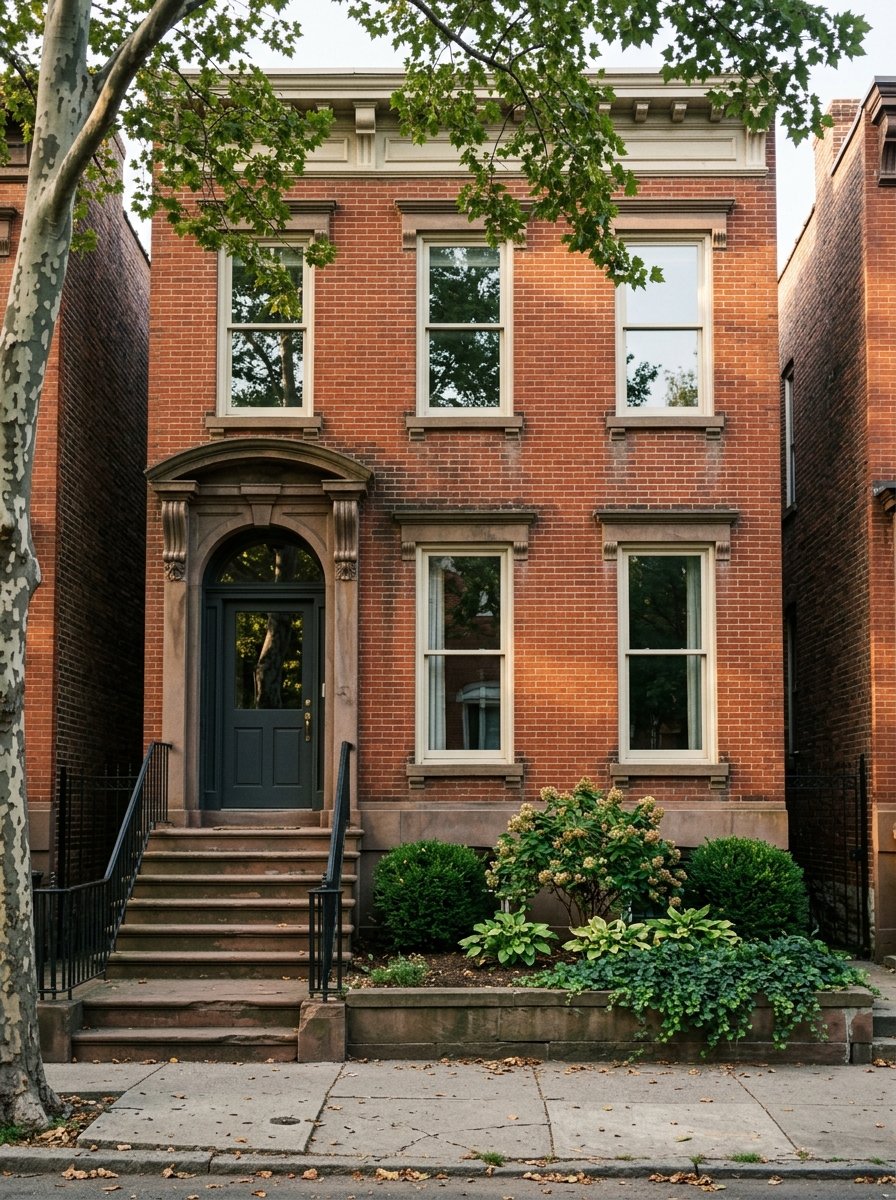
PLG tends to feel residential first. The area is known for its historic streets, lower-rise blocks, and strong prewar character.
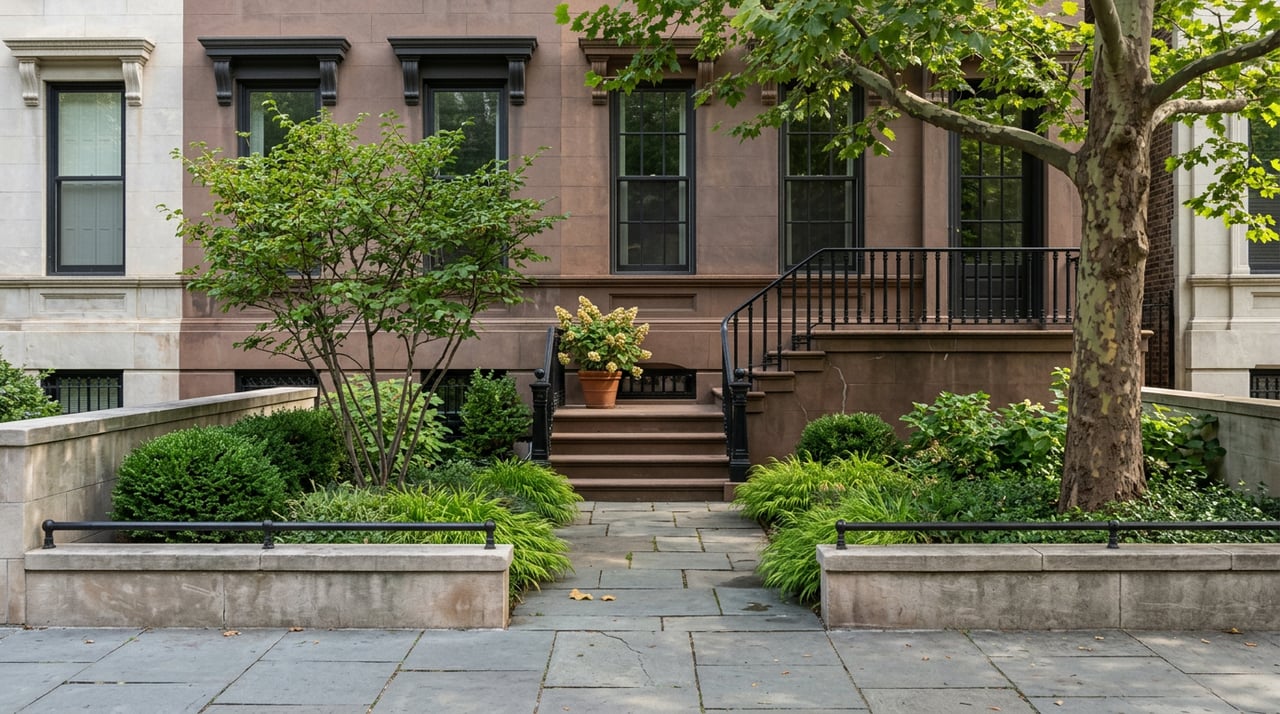
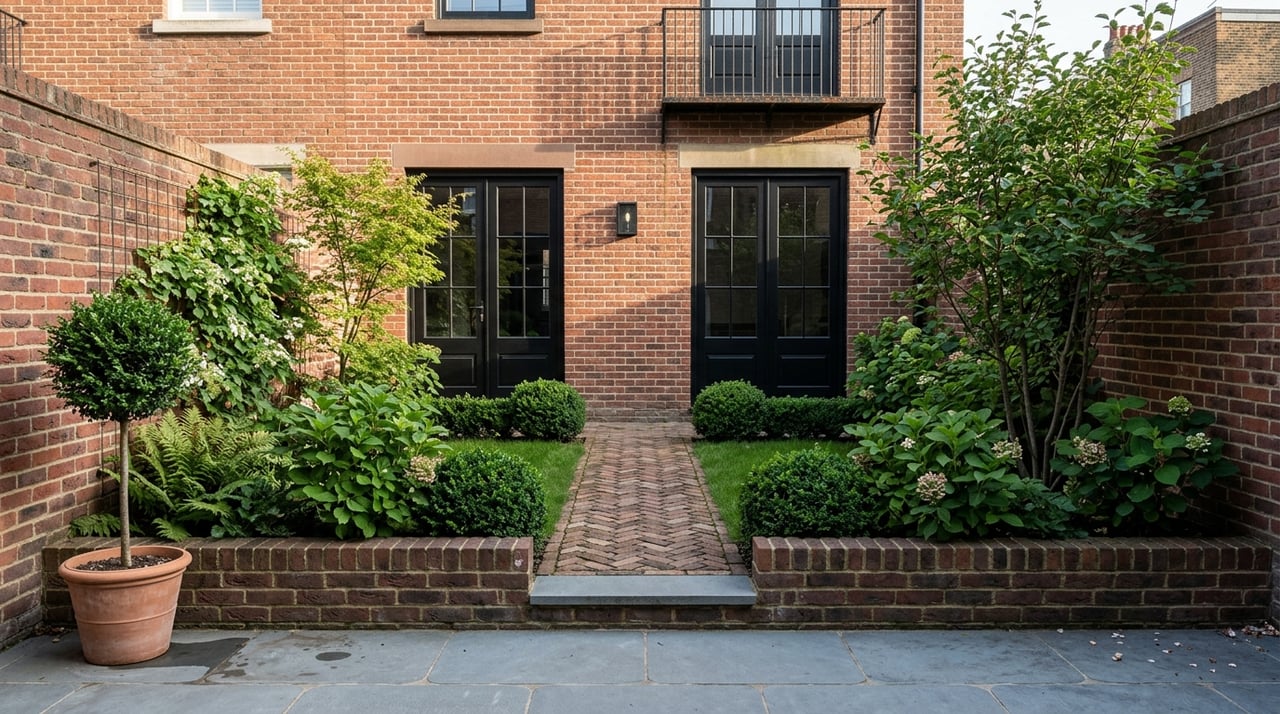
The Landmarks Preservation Commission describes Prospect Lefferts Gardens as Flatbush’s main concentration of urban rowhouses. In Lefferts Manor, one-family houses were designed with setbacks from the street, which helps give the core of the neighborhood a distinct, cohesive look.
Outside the historic core, the housing mix broadens. You will find one- and two-family houses, apartment buildings, and some larger multifamily properties, which creates more variety than many buyers expect at first glance.
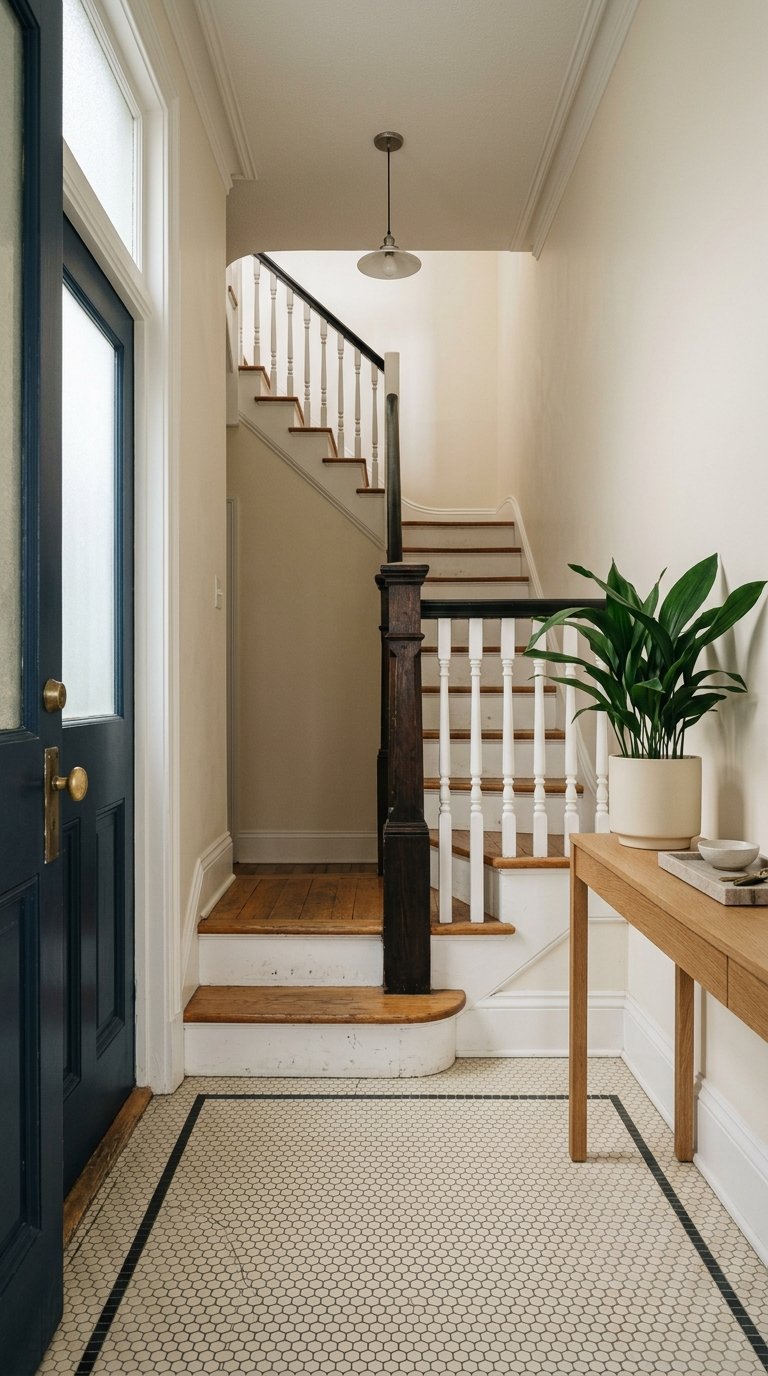
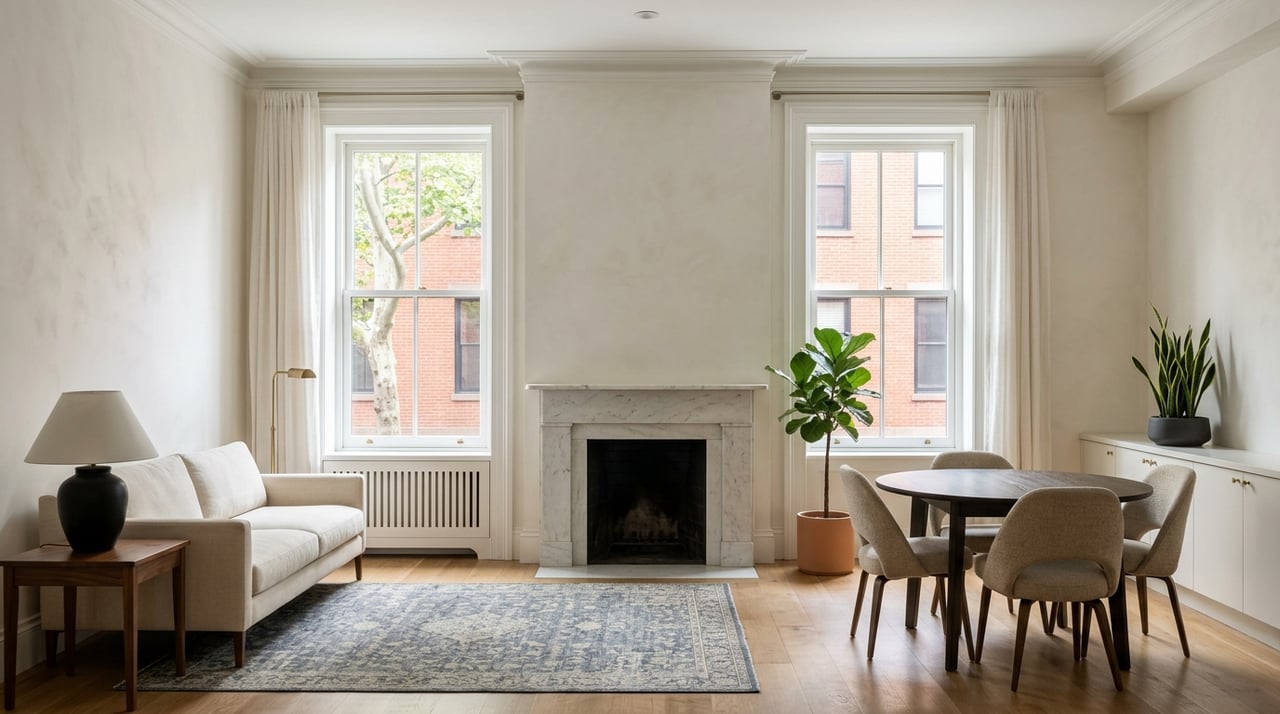
In the broader PLG, Flatbush, and Midwood area, most housing stock was built before 1938. If you are drawn to prewar details, established blocks, and homes with a sense of history, that is a big part of the appeal here.
One of the biggest lifestyle advantages in Prospect Lefferts Gardens is how close you are to Prospect Park. This is not just a nearby patch of green. It is a major part of how many residents spend their weekends, mornings, and evenings.
Prospect Park Alliance maps a long list of destinations in and around the park that matter to PLG residents. These include the LeFrak Center at Lakeside, the Boathouse, Long Meadow, the Lefferts Historic House, the Prospect Park Zoo, and the year-round Greenmarket at Grand Army Plaza.
That means your outdoor options can change with the season. At LeFrak Center, activities include ice skating, roller skating, water play, biking, boating, and access to a year-round café.
The Boathouse is also home to the Prospect Park Audubon Center, which adds another layer of programming and outdoor learning to the park experience. Nearby, Brooklyn Botanic Garden offers another major green-space destination with 52 acres to explore.
Transit in Prospect Lefferts Gardens is solid, but it is not equally convenient from every block. If you are considering a move here, that is an important detail to understand.
HPD lists the neighborhood’s subway access as the 2, 5, B, and Q lines. MTA line maps show key stations nearby, including Prospect Park for the B, Q, and Franklin Avenue Shuttle, Parkside Avenue for the Q, and Sterling Street, Winthrop Street, and Church Avenue for the 2 and 5.
Church Avenue on the 2 and 5 is marked ADA accessible. That can be especially useful if accessibility is part of your home search criteria.
At the same time, HPD says residents rate subway closeness and ease lower than most neighborhoods. In practical terms, that means your exact block matters. Two apartments in PLG can offer a very different daily commute depending on where they sit relative to the train.
Parking is rated very high nearby, and errands are more often driven than walked. That does not mean the neighborhood is not walkable. It means many residents use a mix of walking, transit, and driving depending on what they need to do.
PLG does not center around one dense commercial strip. Instead, everyday retail is spread across several streets, which gives the neighborhood a more local, street-by-street rhythm.
Most daily shopping and services cluster along Flatbush Avenue, Nostrand Avenue, Rogers Avenue, Lincoln Road, and Church Avenue. In the broader area, NYC Planning identifies Flatbush Avenue, Coney Island Avenue, and Nostrand Avenue as major north-south corridors, with Church Avenue as an important east-west corridor.
For you as a buyer or renter, that means it is smart to think about micro-location. One home may put you closer to transit, while another may make grocery runs, coffee stops, or takeout more convenient.
The dining scene in Prospect Lefferts Gardens feels varied and neighborhood-oriented rather than dominated by one big nightlife strip. That is part of what gives the area its everyday appeal.
Current local listings from Visit Brooklyn highlight PLG Coffeehouse and Scoops for daytime stops. Other noted spots include Allan’s Bakery, Risbo, Bar Bayeux, Bonafini, Honey Badger, Ix, Amy Thai Bistro, Camillo, Empanada City, El Patron Mexican Grill, and Corner Pizza and Wine.
What is notable is the range. The mix includes Caribbean, Guatemalan, Thai, Italian, pizza, coffeehouse, and cocktail-bar formats rather than a single defining cuisine.
The layout of these businesses also tells you something about how the neighborhood works. PLG Coffeehouse and Corner Pizza and Wine are on Rogers, Allan’s Bakery and Bar Bayeux are on Nostrand, Ix and El Patron sit on Lincoln Road, Risbo and Amy Thai Bistro are on Flatbush, and Honey Badger is on Fenimore.
That spread supports a walkable-local feel. Instead of one crowded destination strip, you get a series of neighborhood pockets that can become part of your regular routine.
Housing is one of the biggest reasons buyers focus on Prospect Lefferts Gardens. The neighborhood offers a strong sense of architectural identity, especially for people who value older homes and established streetscapes.
The Prospect Lefferts Gardens Historic District was designated in 1979. The Landmarks Preservation Commission notes that the district includes Flatbush’s only substantial concentration of urbanistic rowhouses, while Lefferts Manor was shaped by deed restrictions that required substantial one-family houses set back from the street.
That history still affects how the neighborhood looks and feels today. The earliest concentrated development dates to the late 1890s, with major building waves continuing into the early 1900s.
In the broader area, the housing mix includes many one- and two-family homes along with apartment buildings. The wider planning profile also notes co-op buildings along nearby Ocean Parkway and Ocean Avenue.
For buyers, this range matters. You may be considering a townhouse, a smaller apartment, or another type of older housing stock with character and proximity to Prospect Park.
Prospect Lefferts Gardens can be a strong match if you want Prospect Park access, historic character, and a residential setting with a real neighborhood feel. It is especially appealing if you like prewar homes and do not need every block to be lined with dense retail.
It may be less ideal if your top priority is a highly concentrated commercial district right outside your door. In PLG, daily convenience is often there, but it is distributed across several corridors rather than packed into one central hub.
That is why home search strategy matters here. The right fit often comes down to block-by-block priorities like train access, housing type, street feel, and your preferred mix of quiet and activity.
In a neighborhood like Prospect Lefferts Gardens, small location differences can have a big impact on daily life. One block may feel especially residential and architectural, while another puts you closer to a subway entrance or retail corridor.
If you are buying, selling, or relocating within Brooklyn, that is where local knowledge becomes valuable. Understanding the housing stock, the rhythm of the streets, and how each pocket connects to transit and Prospect Park can help you make a more confident decision.
Prospect Lefferts Gardens is not a one-note neighborhood. Its appeal comes from the combination of history, housing variety, green space, and an everyday local feel that many buyers find compelling once they spend time there.
If you are thinking about buying or selling in Prospect Lefferts Gardens or nearby Brooklyn neighborhoods, Hilah Hadaway Williams can help you evaluate the right block, property type, and strategy for your goals.
Stay up to date on the latest real estate trends.
With a proven track record and a personalized approach, Hilah delivers a seamless, strategic experience designed around your goals.