Park Slope Family Living: What to Know Before You Move
June 11, 2026
June 11, 2026
If you are trying to picture daily life in Park Slope with a growing household, the biggest question is usually not whether the neighborhood is appealing. It is whether the housing, routines, and budget trade-offs truly fit the way you want to live. Park Slope stands out because it combines classic Brooklyn residential streets, broad everyday amenities, and exceptional access to Prospect Park. If you are weighing a move here, this guide will help you think through what daily life looks like, what kinds of homes you are likely to find, and what compromises may come with the address. Let’s dive in.
Park Slope offers a mix that can be hard to replicate in Brooklyn. You get a dense, walkable neighborhood feel, but you also get immediate access to one of New York City’s most significant green spaces.
Prospect Park is a major part of that story. Prospect Park Alliance describes it as a 585-acre oasis with seven playgrounds, nature programs, skating at the LeFrak Center at Lakeside, the Tennis Center, Long Meadow, the 60-acre Lake, and the Ravine, which it identifies as Brooklyn’s only forest. For many households, that means the park becomes part of the weekly routine rather than an occasional outing.
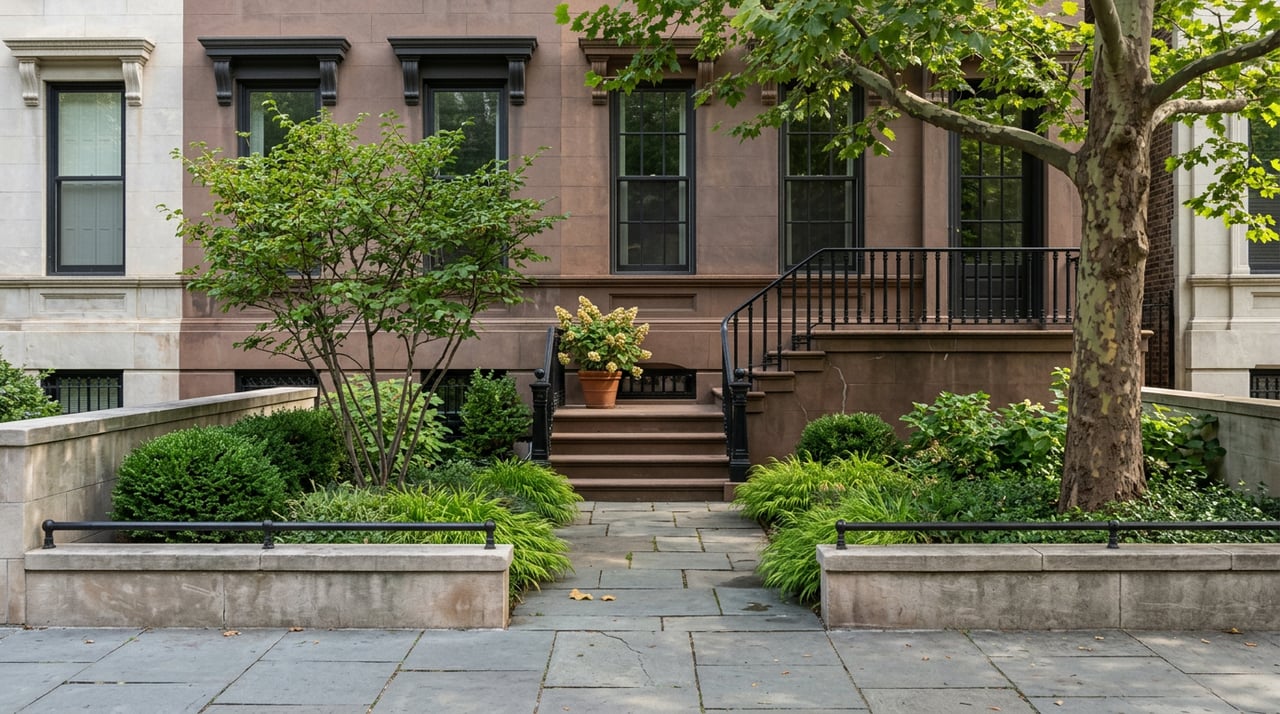
The neighborhood itself adds to that appeal. The Landmarks Preservation Commission describes Park Slope as one of Brooklyn’s most architecturally distinguished areas, known for tree-lined streets and a long-standing residential character. That established feel is a big reason many buyers looking for more space or a more rooted neighborhood experience keep Park Slope on their list.
A neighborhood works best when the basics are close by. In Park Slope, daily life is supported by active local retail corridors that serve routine needs as well as weekend conveniences.
The Park Slope Fifth Avenue BID says its mission is to support businesses, residents, and institutions along Fifth Avenue. The Park Slope Chamber of Commerce also lists a broad mix of Seventh Avenue businesses, including food, kids, medical, and household services. In practical terms, that means many errands can stay local.
Another distinctive neighborhood institution is the Park Slope Food Coop at 782 Union Street. It is a member-owner participatory consumer cooperative where members work in exchange for grocery savings. For some households, that is a meaningful part of how they structure weekly shopping and neighborhood life.
In many neighborhoods, outdoor space means finding the nearest small playground or planning a weekend trip. In Park Slope, Prospect Park changes that equation.
The park’s size and range of uses give households options across different ages and routines. You can think beyond playground time to skating, tennis, nature programs, birdwatching, and long walks through Long Meadow or near the Lake. That variety helps the park function like an oversized backyard for many local residents.
This matters when you are evaluating housing. A home without private outdoor space may still feel workable if your day-to-day life includes easy access to a park with this scale and depth of amenities.
For households planning around school logistics, Park Slope is served by schools in more than one New York City public school district. Examples from NYC Public Schools include P.S. 321 William Penn in Geographic District 15, P.S. 282 Park Slope in Geographic District 13, and Park Slope Collegiate in Geographic District 15.
Accessibility can also matter in very practical ways. NYC Public Schools lists P.S. 321 and Park Slope Collegiate as fully accessible, while P.S. 282 is listed as partially accessible. If you are thinking about stroller-heavy drop-offs or mobility needs, details like these can be worth noting early.
As always, school options and assignments should be verified directly with the city and relevant sources during your search. The key point is that Park Slope buyers often look at more than one factor at once, including location, commute, home layout, and access needs.
Park Slope has strong transit access, but where you live within the neighborhood can make a noticeable difference in your routine. That is especially true if you are balancing work commutes with school or childcare logistics.
MTA line maps show F and G service at 7 Av and 15 St-Prospect Park, R service at 4 Av-9 St and Union St, and 2 and 3 service at Grand Army Plaza. The MTA also lists 7 Av, 15 St-Prospect Pk, and Grand Army Plaza among its accessible stations.
Even with those transit advantages, location still matters block by block. StreetEasy notes that, depending on where you live in Park Slope, a Midtown commute can be as long as 45 minutes. For growing households, that is a useful reminder that the right apartment or house is only part of the decision. The right daily routine matters too.
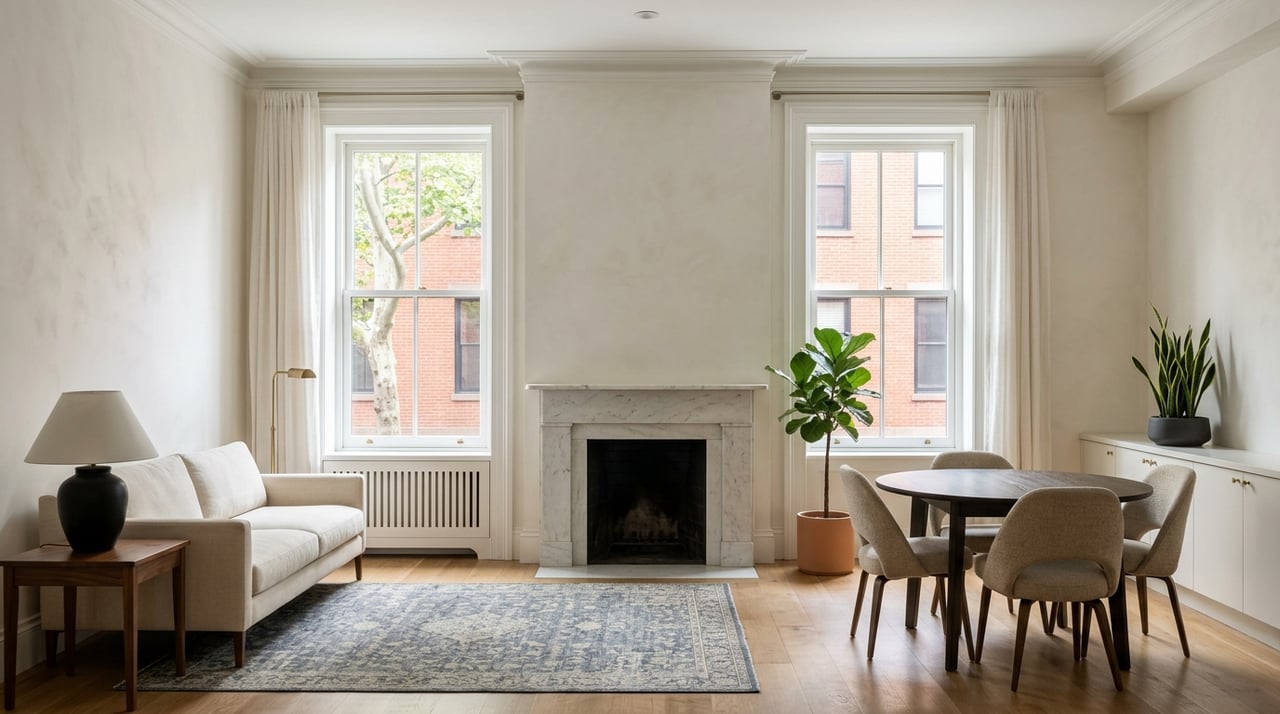
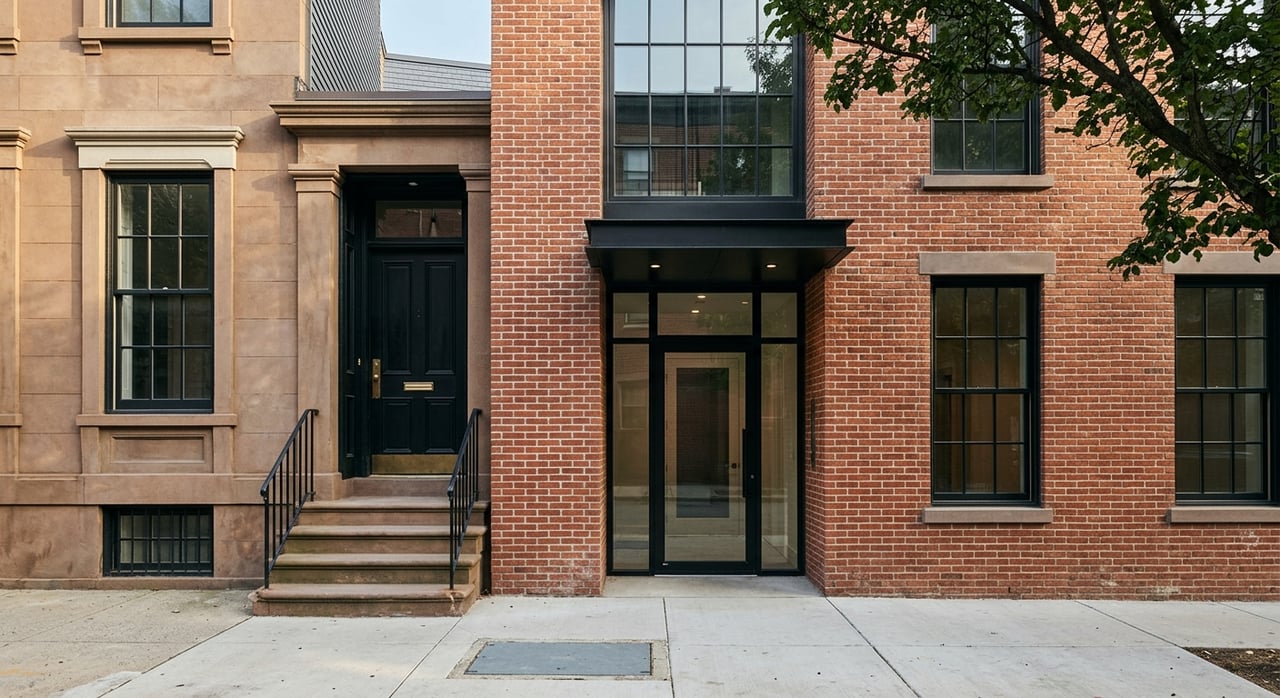
Park Slope’s housing stock reflects late-19th- and early-20th-century development, and that variety gives buyers several paths into the neighborhood. You are not looking at one uniform product type.
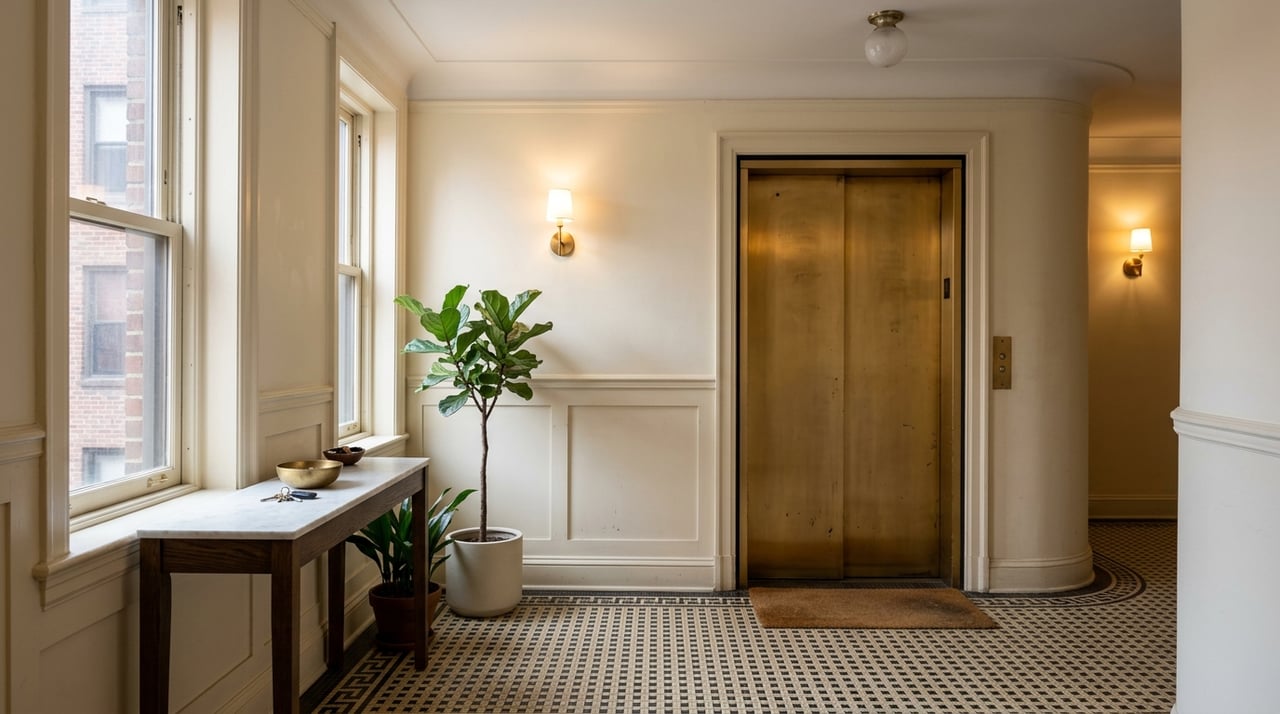
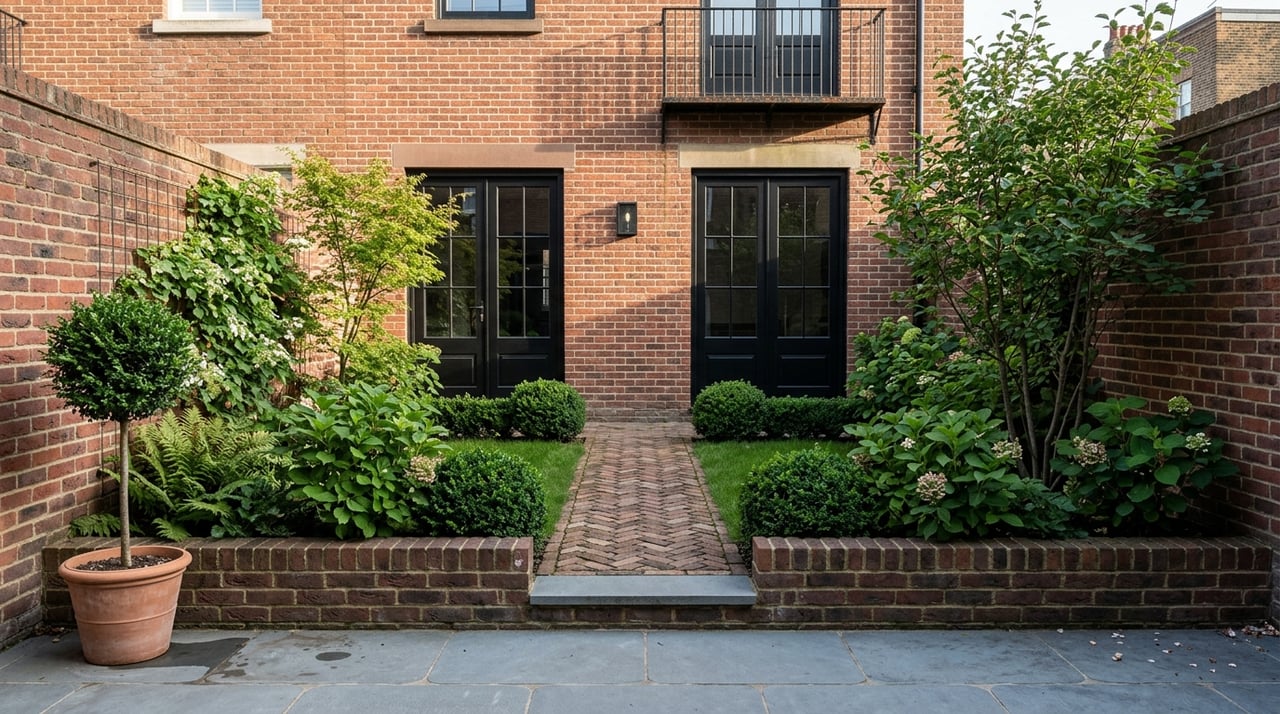
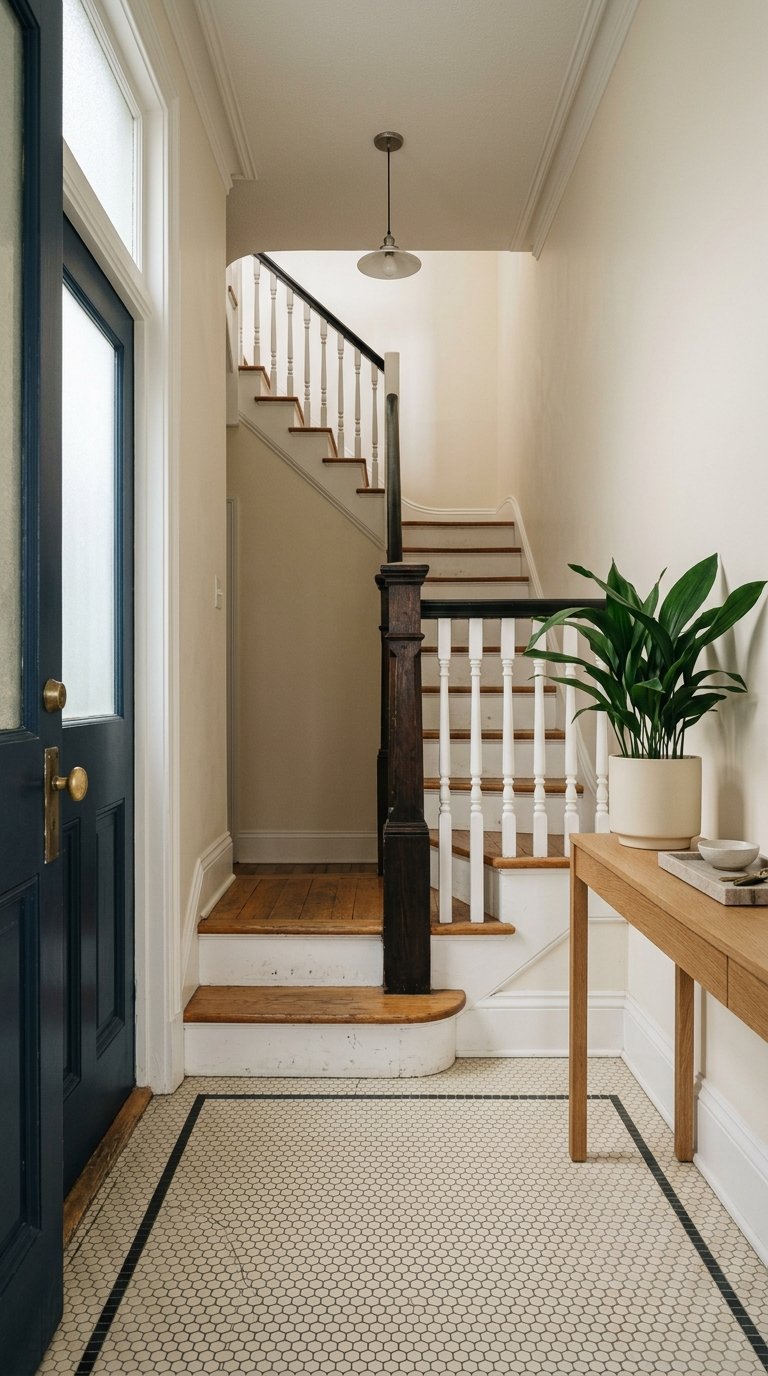
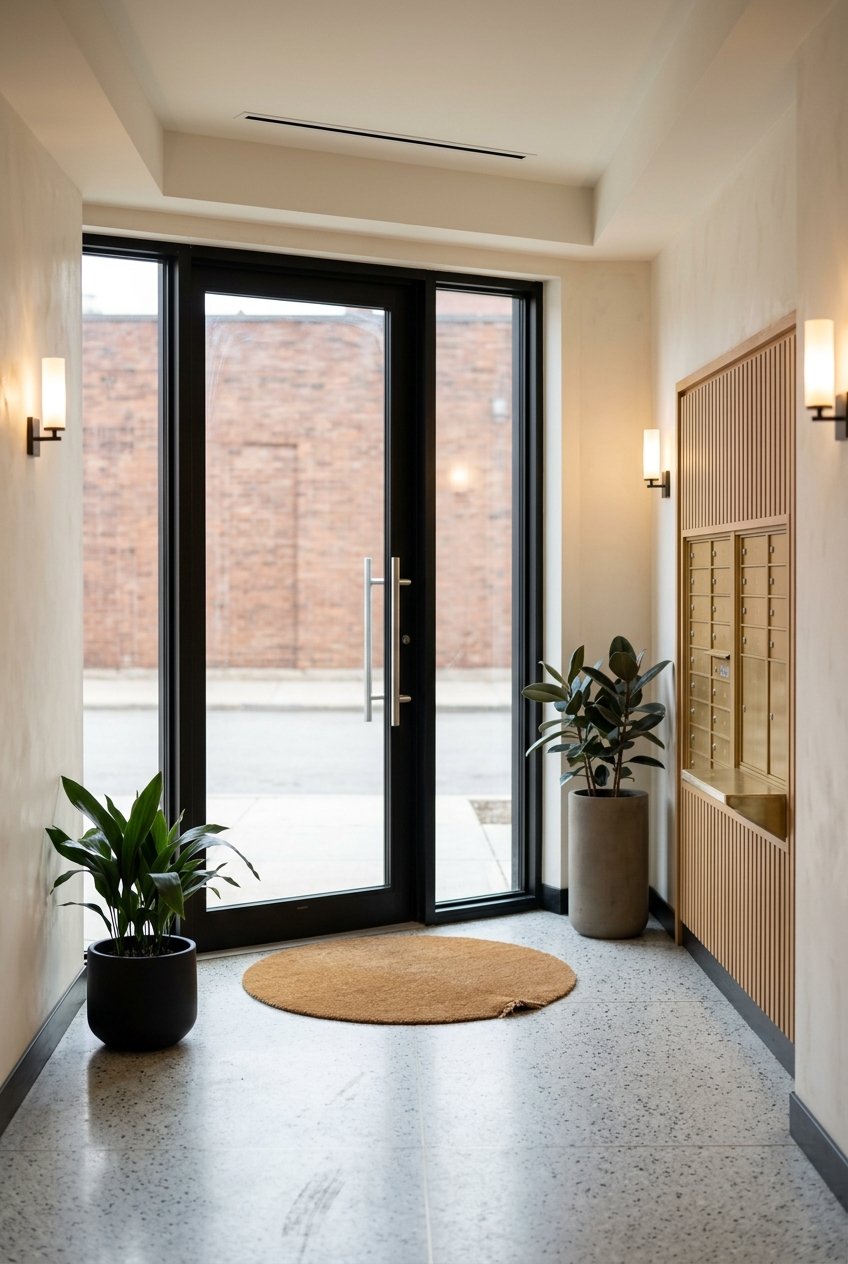
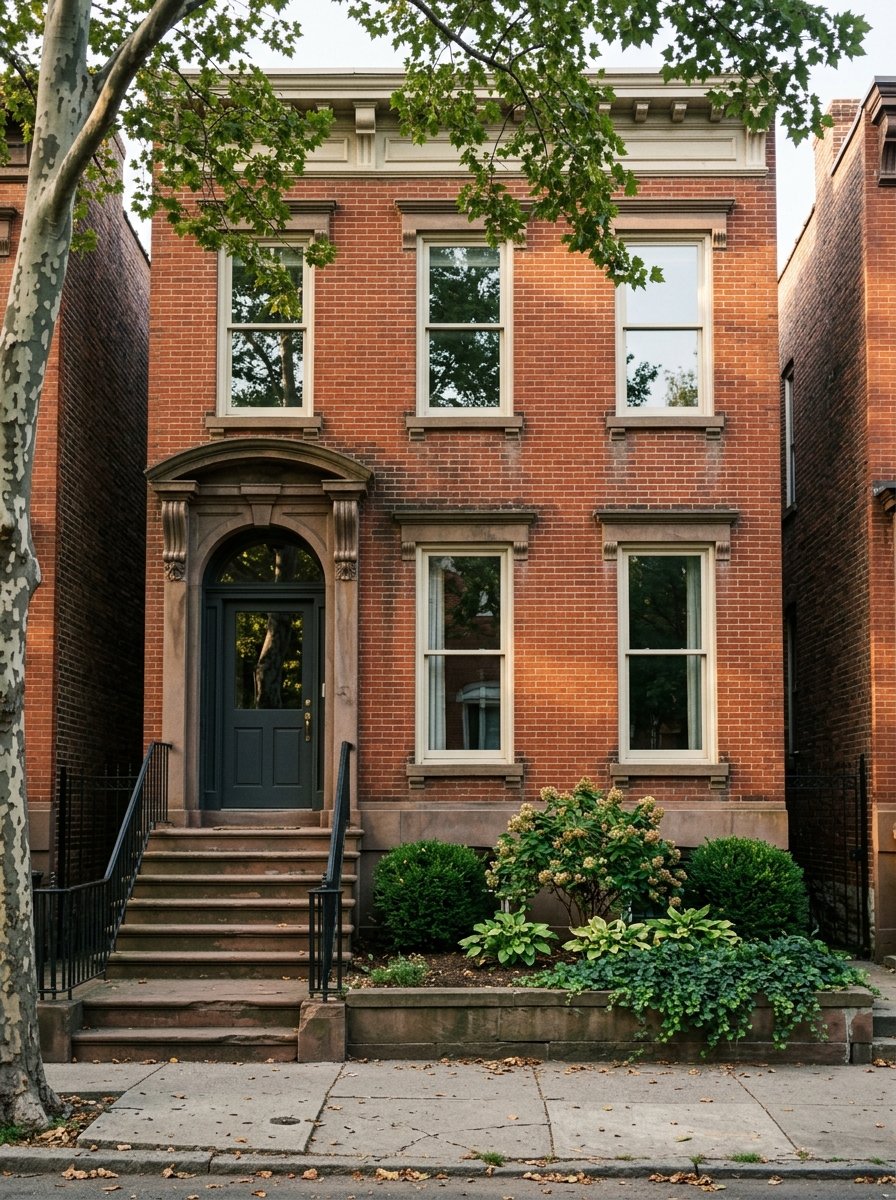
According to the Landmarks Preservation Commission’s historic district materials, the neighborhood is dominated by rowhouses of two to five stories on narrow lots, with many homes used as multifamily buildings. The materials also note larger apartment houses, flats buildings, carriage houses, and two-family houses, especially closer to the park where development intensified.
For today’s buyers, that often translates into a few common options:
StreetEasy’s neighborhood inventory illustrates that range, with listings spanning from one-bedroom apartments to larger two- and three-bedroom homes, plus townhouse-scale properties. That mix is one reason Park Slope appeals to both buyers who want to stay in the neighborhood long term and those making a move-up purchase.
When households outgrow a smaller apartment, they often start with a simple goal like one more bedroom or a better layout. In Park Slope, the search usually becomes more nuanced.
Square footage is only one part of the equation. You may also be weighing stairs, storage, private outdoor space, room proportions, and whether the layout works for a home office, guests, or changing household needs.
A brownstone or townhouse can offer scale and character, but it may also come with more maintenance and multiple levels. A co-op or apartment-house unit may deliver a simpler day-to-day setup, but perhaps with less private space or fewer options to expand over time. The right answer often depends on how you want your daily life to feel, not just what looks best on paper.
Park Slope offers space and neighborhood character that many buyers want, but those benefits come at a premium. It helps to go into the search with clear expectations.
StreetEasy’s neighborhood snapshot puts the median sale price around $1.7 million and the median base rent around $4,100. It also notes that Park Slope brownstones can command $3 million or more.
That pricing reality is why many buyers end up balancing competing priorities. You may need to choose between a larger home farther from your preferred subway line, a smaller home closer to Prospect Park, or a layout with more efficiency but less flexibility. In Park Slope, value is often tied to lifestyle as much as square footage.
If Park Slope is on your shortlist, clarity matters. The neighborhood offers enough variety that a focused search can save time and help you make better trade-offs.
Before you start touring, it can help to rank these priorities:
These questions can make your search much more strategic. In a neighborhood with everything from prewar apartments to townhouse-scale homes, your priorities shape what feels like the best fit.
Park Slope remains compelling because it offers more than one headline benefit. It is not just about the brownstones, and it is not just about the park.
It is the combination of recognizable lifestyle advantages: residential streets, established retail corridors, broad housing choices, notable park access, and practical transit options. For many growing households, that package feels both aspirational and usable.
That said, Park Slope is rarely a one-size-fits-all answer. The strongest decisions come from understanding how a specific block, home type, and commute pattern line up with your real life. When you approach the search that way, you are much more likely to find a home that works not only today, but for the next chapter too.
If you are thinking about buying or selling in Park Slope and want clear, low-pressure guidance on how to weigh layout, location, and market positioning, Hilah Hadaway Williams can help you navigate the process with local insight and a strategic approach.
Stay up to date on the latest real estate trends.
With a proven track record and a personalized approach, Hilah delivers a seamless, strategic experience designed around your goals.