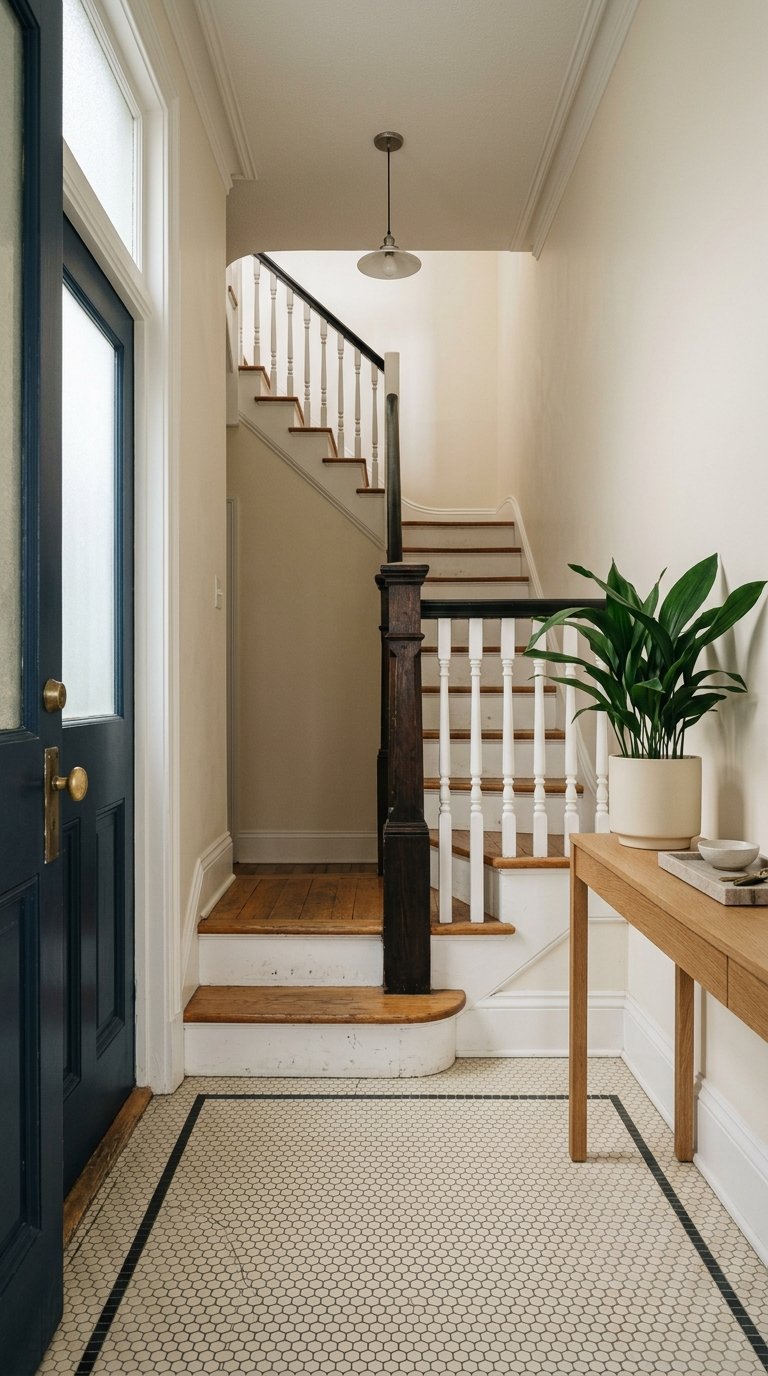
Smart Park Slope Townhouse Selling Tips for Today’s Buyers
June 18, 2026
June 18, 2026
If you are thinking about selling a Park Slope townhouse, preparation can shape everything from buyer interest to your final price. In a neighborhood where brownstones and row houses are judged on both character and condition, small choices can have a big effect on how your home is perceived. The good news is that you do not need to guess what matters most. With the right plan, you can focus on the updates and presentation details that today’s Brooklyn buyers actually respond to. Let’s dive in.
Park Slope is not a one-size-fits-all market. StreetEasy reports a median sale price around $1.7 million and median days on market of 56, but that broad picture blends different property types and price points. For townhouse owners, the real opportunity is often at a higher tier, where buyers are comparing a small number of distinctive homes.
That difference is easy to see in recent sales activity. Corcoran reported Park Slope and Gowanus median prices ranging from $1.23 million to $1.40 million across 2025, with days on market falling as low as 48 and more than 70% of closings above $1 million by the third quarter. At the townhouse level, recent examples show well-positioned homes moving quickly, including 397 Bergen Street at $3.75 million after 23 days and 422 4th Street at $3.95 million after 26 days.
For you, that means buyers are still active, but they are selective. A well-prepared townhouse can create early momentum, while a home that feels unfinished, cluttered, or overpriced may lose attention fast.
In a brownstone-heavy neighborhood like Park Slope, first impressions carry real weight. Buyers often notice the flow, light, scale, and condition of the home within minutes. That is why cosmetic prep is usually the best place to begin.
The 2025 National Association of REALTORS® staging survey found that sellers’ agents most often recommend decluttering, whole-home cleaning, and curb appeal improvements before listing. The same report found that 83% of buyers’ agents said staging made it easier for buyers to visualize a property.
For a Park Slope townhouse, that usually means clearing visual noise so the home’s architecture can stand out. Original millwork, high ceilings, hardwood floors, fireplaces, oversized windows, and historic details tend to have the strongest impact when they are visible and well cared for.
Before you consider larger updates, take care of the basics that affect every showing and every photo:
These steps may sound simple, but they help buyers read the home more clearly. In a townhouse, where layout and circulation matter, open sightlines can make the property feel larger, calmer, and more functional.
Townhouse staging is a little different from staging a condo or co-op. Buyers are not just evaluating one main living area. They are trying to understand how the house works vertically, how each floor connects, and whether the layout feels intuitive for daily life.
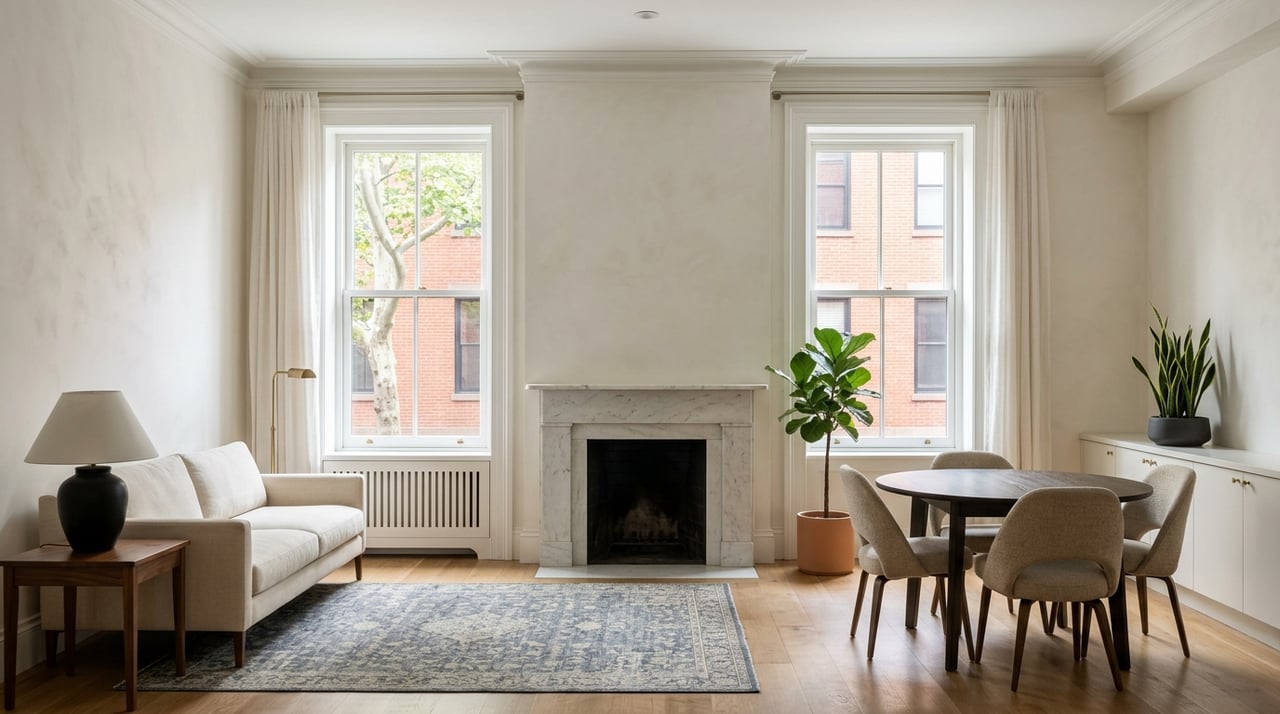
The same 2025 staging survey found that the living room, primary bedroom, and kitchen were the most important rooms to stage. That guidance fits Park Slope well, especially in homes where buyers are balancing emotional appeal with practical questions about space.
Start with the rooms that set the tone:
Keep furniture edited and intentional. In many brownstones, fewer but appropriately scaled pieces work better than filling every corner. The goal is not to make the home feel empty. It is to help buyers see the proportions, circulation, and architectural details without distraction.
A Park Slope townhouse often has multiple levels with different uses, and buyers will notice if one floor feels unresolved. A garden level, parlor floor, upper bedroom floor, or outdoor area should each tell a clear story.
If a room currently serves too many functions, simplify it. A spare room should read as a bedroom, office, or den, not all three at once. A lower level should feel like usable living space rather than leftover space.
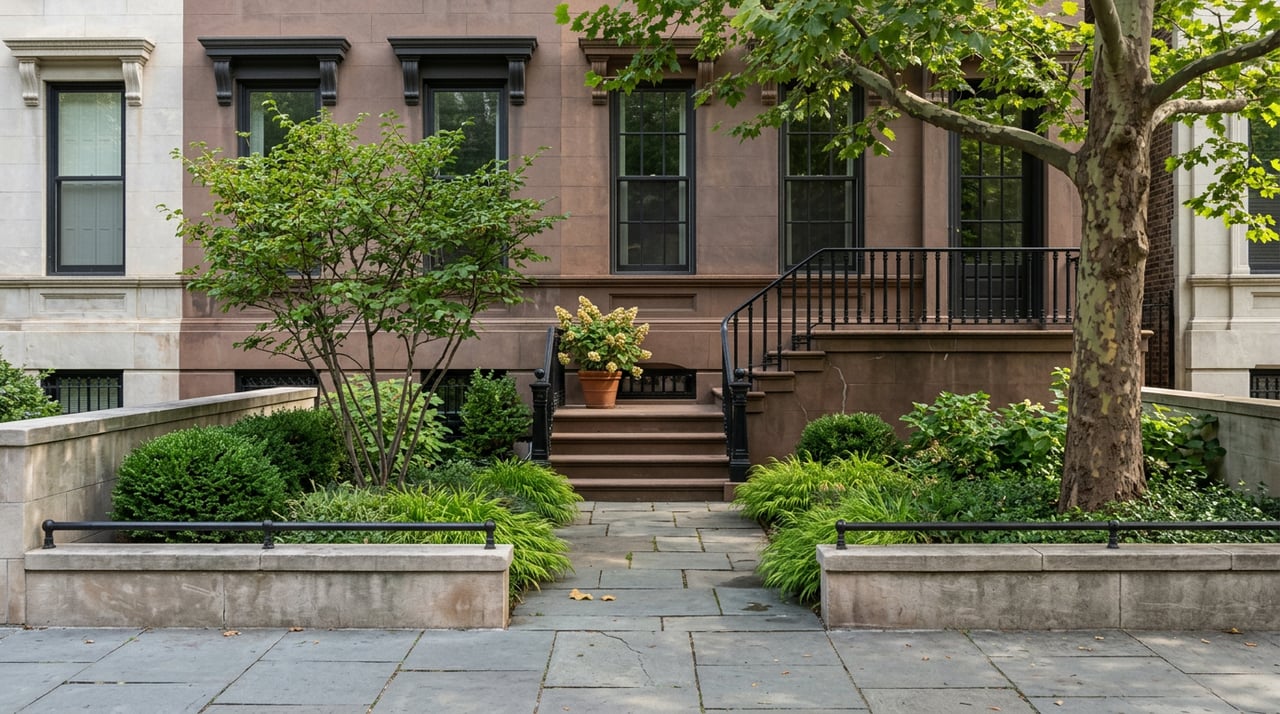
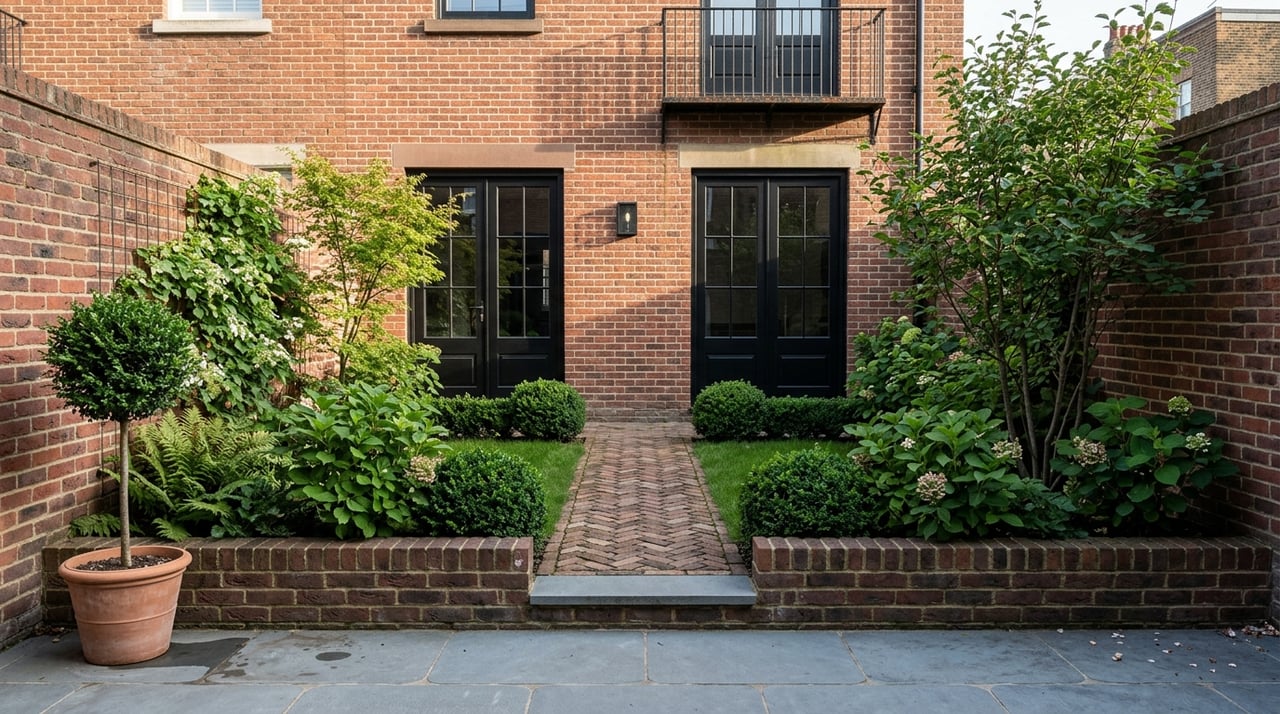
If your townhouse has a stoop, garden, terrace, roof rights, or another outdoor feature, present it as part of the living experience. Buyers in Brooklyn often place a premium on private outdoor space, especially when it feels clean, usable, and connected to the home.
That does not mean a major redesign is required. It often means tidying plantings, cleaning surfaces, arranging seating thoughtfully, and making sure the area photographs well.
Today’s buyers are highly visual, and their expectations are shaped by polished listing media. According to the 2025 staging survey, 48% of respondents said buyers expected homes to look staged like TV shows, and 58% said buyers were disappointed when properties did not meet those expectations.
That does not mean your home needs to feel artificial. It means it should feel photo-ready, consistent, and cared for. Buyers browsing Park Slope townhouses online are often comparing a small pool of attractive homes, so presentation matters before they ever walk through the door.
Do not wait until the week of the shoot to start making decisions. Photography tends to reward details you might overlook in person, such as uneven styling, crowded shelves, dusty moldings, or too much furniture.
Before listing photos are taken, aim for:
That polished look supports both online interest and in-person showings. It also helps your home compete with the strongest listings in the neighborhood.
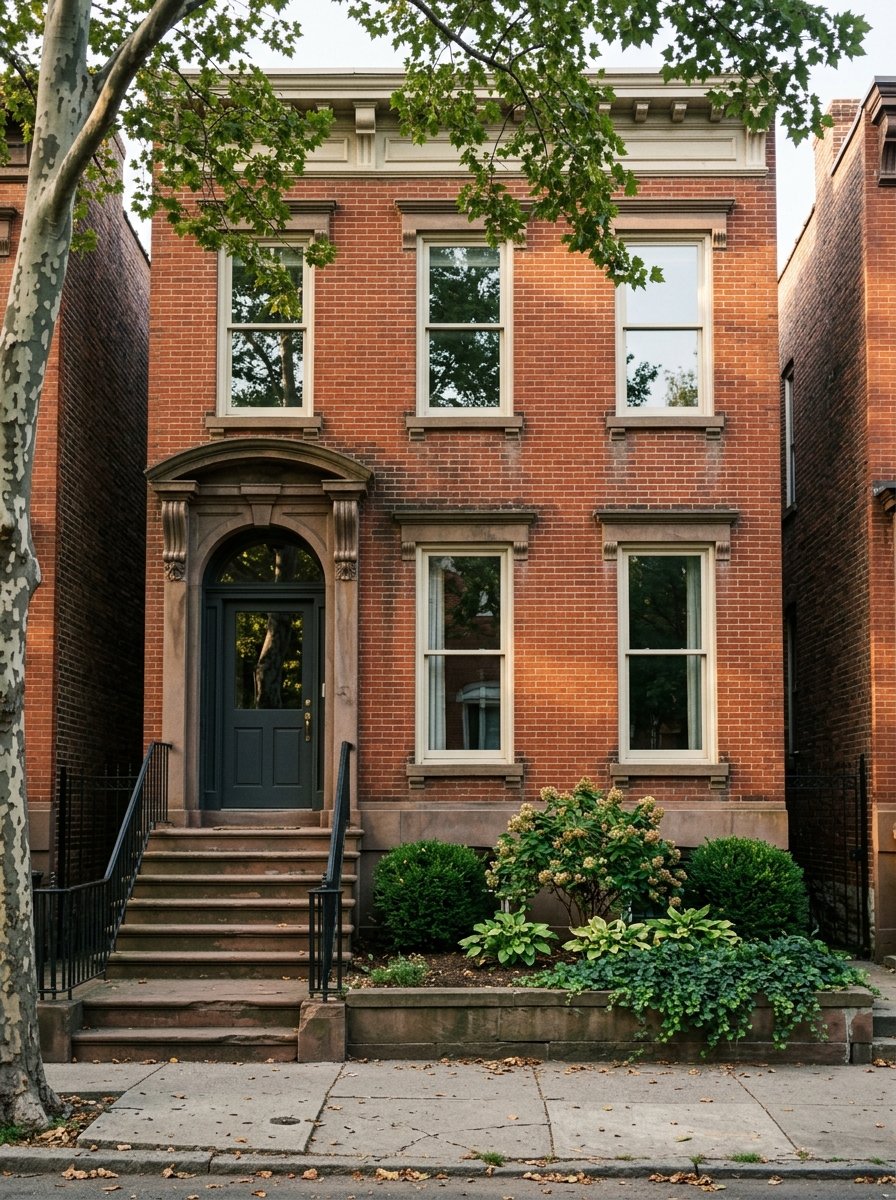
This is one of the most important Park Slope-specific issues. Much of Park Slope sits within designated historic districts, and the Landmarks Preservation Commission states that exterior changes visible from public ways generally require approval before work begins. Ordinary repairs and interior alterations are exempt.
If you are considering facade work, stoop repairs, railing changes, window updates, or adjustments to the front yard or areaway, review that early in your timeline. Approval or permit timing can affect when your home is ready to list.
A smart prep plan usually divides work into two categories:
Interior cosmetic work
Exterior work that may need review
This distinction matters because interior refresh work can often move quickly, while exterior improvements may require more planning. If you hope to sell within the next 6 to 12 months, it is wise to assess exterior needs as early as possible.
One of the biggest mistakes sellers can make is leaning too heavily on neighborhood averages. Park Slope median prices are useful context, but they mix condos, co-ops, new development, and houses together. That is not enough precision for a townhouse pricing strategy.
Instead, pricing should be built around comparable townhouse sales with similar width, block quality, condition, layout, and outdoor space. In Park Slope, those differences can shift buyer perception quickly and meaningfully.
A buyer comparing your property is likely looking closely at details like:
The recent sale of 397 Bergen Street, a 20-foot-wide brownstone that sold for $3.75 million, and 422 4th Street, an 18-foot-wide townhouse that sold for $3.95 million, show how specific features can shape pricing and speed of sale. Broad market averages cannot capture that level of nuance.
In a market with limited inventory and relatively short marketing times, first-week response matters. Buyers who are serious about Park Slope townhouses often know the local inventory well, and they move quickly when a home feels well priced and well presented.
That is why it is usually smarter to price for the market you want on day one rather than build in room for a hoped-for negotiation later. Overpricing can place your home in the wrong competitive set and weaken momentum before the right buyers engage.
If you are planning ahead, give yourself enough room to prepare strategically instead of rushing. The best results often come from addressing visible issues early, clarifying what needs approval, and giving staging and pricing decisions the time they deserve.
A simple pre-listing roadmap may look like this:
This kind of prep helps reduce last-minute stress. More importantly, it gives you a better chance to launch with confidence.
Preparing a Park Slope townhouse for today’s Brooklyn buyers is really about clarity. You want buyers to see the architecture, understand the layout, trust the condition, and feel that the home is worth pursuing right away.
That usually starts with decluttering, cleaning, staging the highest-impact rooms, and handling small flaws before they show up in listing photos. In Park Slope, it also means respecting the realities of landmarked exterior work and using townhouse-specific comps to shape pricing.
When your home is prepared thoughtfully, it can stand out for the right reasons in a competitive, design-aware market. If you are thinking about selling in Park Slope and want a strategic plan tailored to your townhouse, connect with Hilah Hadaway Williams.
Stay up to date on the latest real estate trends.
With a proven track record and a personalized approach, Hilah delivers a seamless, strategic experience designed around your goals.