Prospect Heights vs Park Slope: Which Brooklyn Base Fits?
June 25, 2026
June 25, 2026
Trying to choose between Prospect Heights and Park Slope? You are not alone. These two Brooklyn neighborhoods sit close to each other, share access to Prospect Park, and both offer classic New York housing stock, but they live a little differently day to day. If you are weighing where to buy or rent, this guide will help you compare price points, housing options, street feel, and lifestyle so you can choose the Brooklyn base that fits you best. Let’s dive in.
The simplest way to think about the choice is this: Prospect Heights often offers a slightly lower entry point and a more mixed-use feel, while Park Slope tends to command a premium for its more consistent residential streetscape.
StreetEasy currently shows a median sale price of $2.3 million in Park Slope and $1.7 million in Prospect Heights. Median base rent is listed at $4,500 in both neighborhoods. Looking at broader district data from the NYU Furman Center, 2024 median gross rent was higher in the district that includes Park Slope and Carroll Gardens at $2,900, compared with $2,120 in the district that includes Crown Heights and Prospect Heights.
That does not mean one neighborhood is automatically better. It means your decision should come down to what matters most to you: budget, housing type, street character, or daily routine.
If price is a major factor, Prospect Heights may give you more room to work with. Its current median sale price is lower than Park Slope’s, and the neighborhood includes a broader mix of co-ops, walk-up rentals, row houses, and newer condo buildings.
In the broader Prospect Heights district, the Furman Center reports a 2025 median condo sales price of $1.225 million and a median price of $700,000 for 2 to 4 family homes. That supports the idea that Prospect Heights can be the easier entry point for buyers who want Brooklyn character without Park Slope pricing.
Park Slope, by contrast, is the pricier option across several categories. The Furman Center reports a 2025 median condo sales price of $1.54 million and a 2 to 4 family median of $1.233 million in the broader district. If you are shopping here, it helps to be prepared for stronger pricing tied to the area’s established residential appeal.
The housing mix is one of the clearest differences between these neighborhoods.
The Prospect Heights Historic District includes about 850 buildings, mostly single-family row houses and apartment buildings. The area features Italianate, neo-Grec, Romanesque Revival, and Renaissance Revival architecture, along with multi-family buildings that include ground-floor commercial spaces along corridors like Vanderbilt Avenue and Flatbush Avenue.
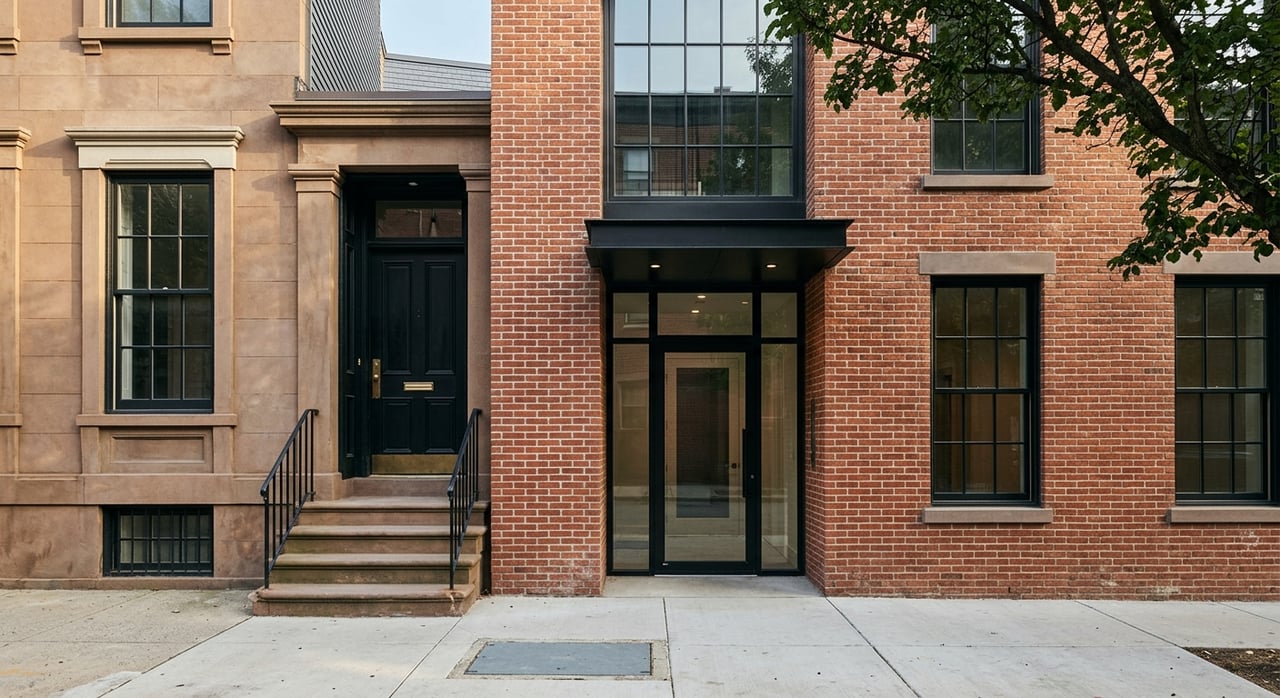
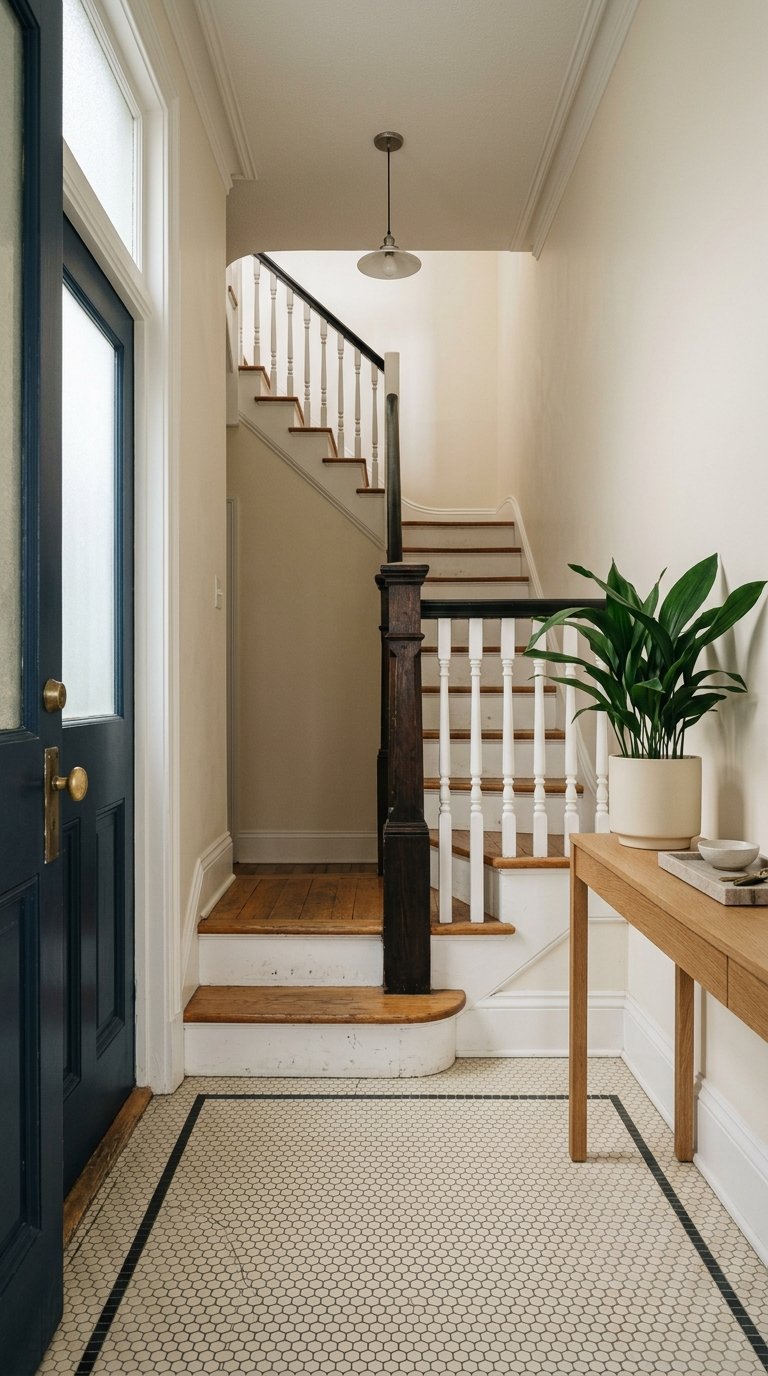
In practical terms, that means Prospect Heights can feel more varied from block to block. You may find classic row house streets, prewar apartment buildings, co-ops, walk-ups, and newer condo product all within a relatively small area.
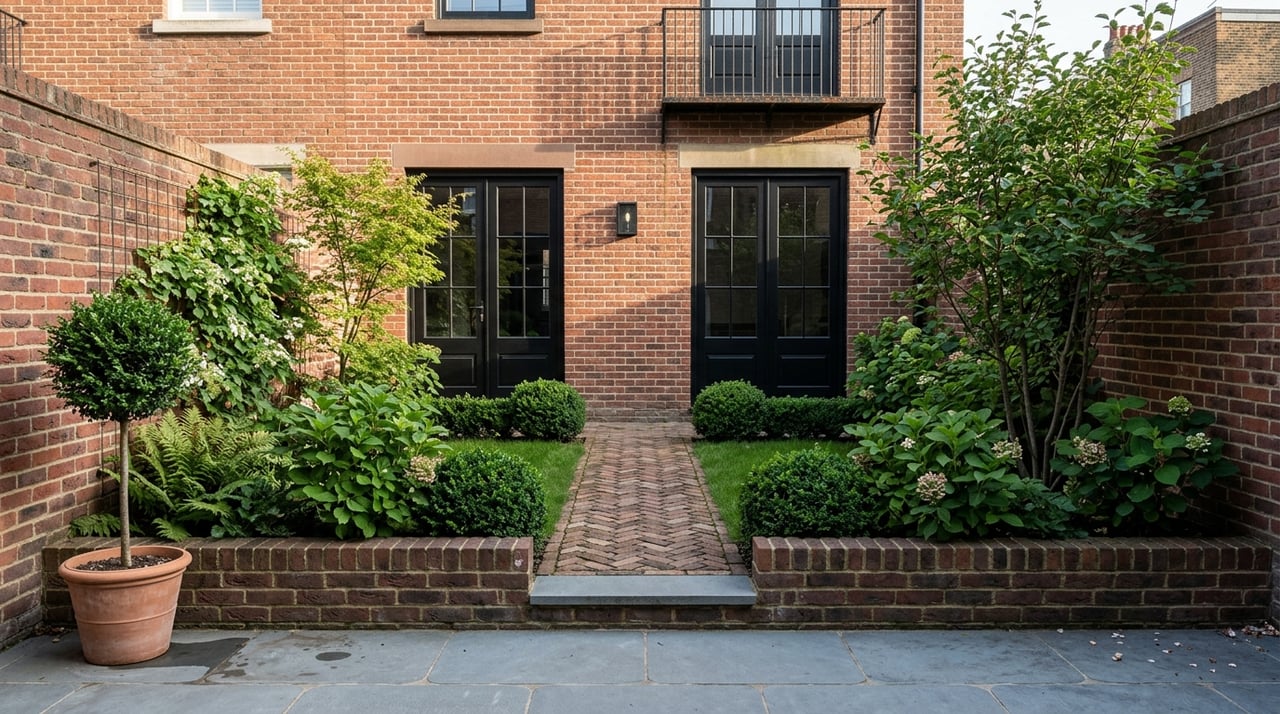
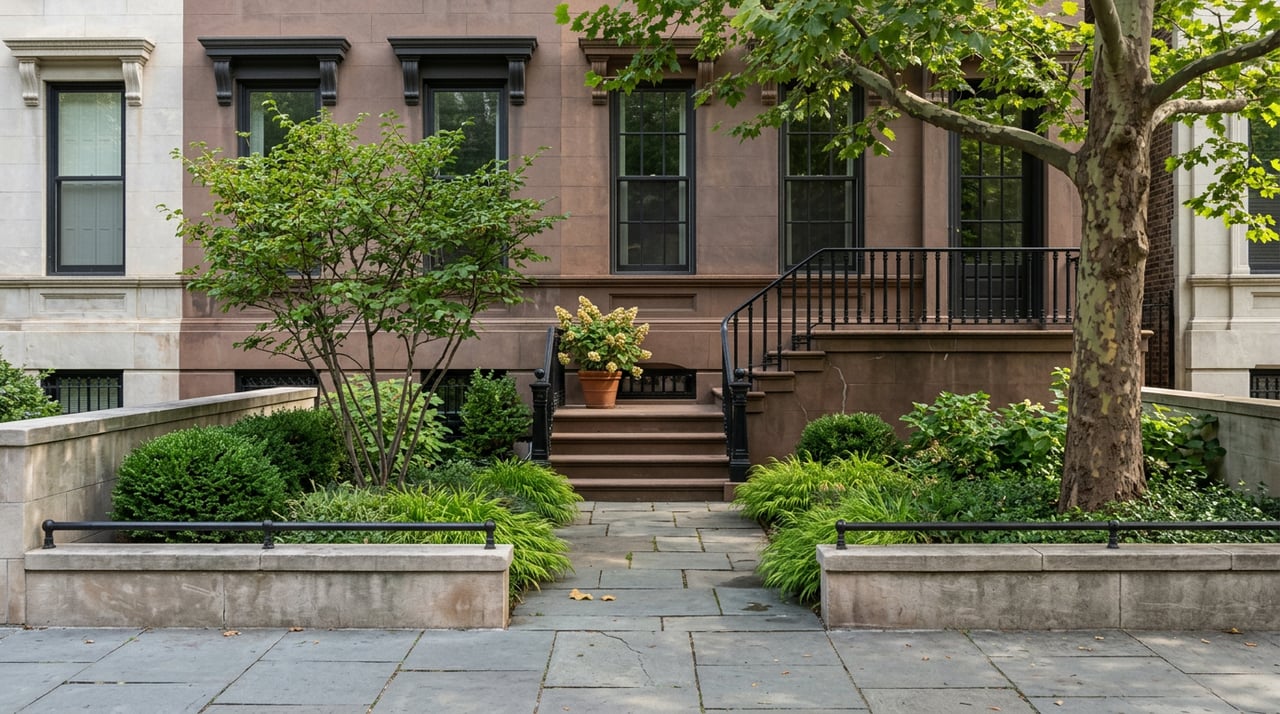
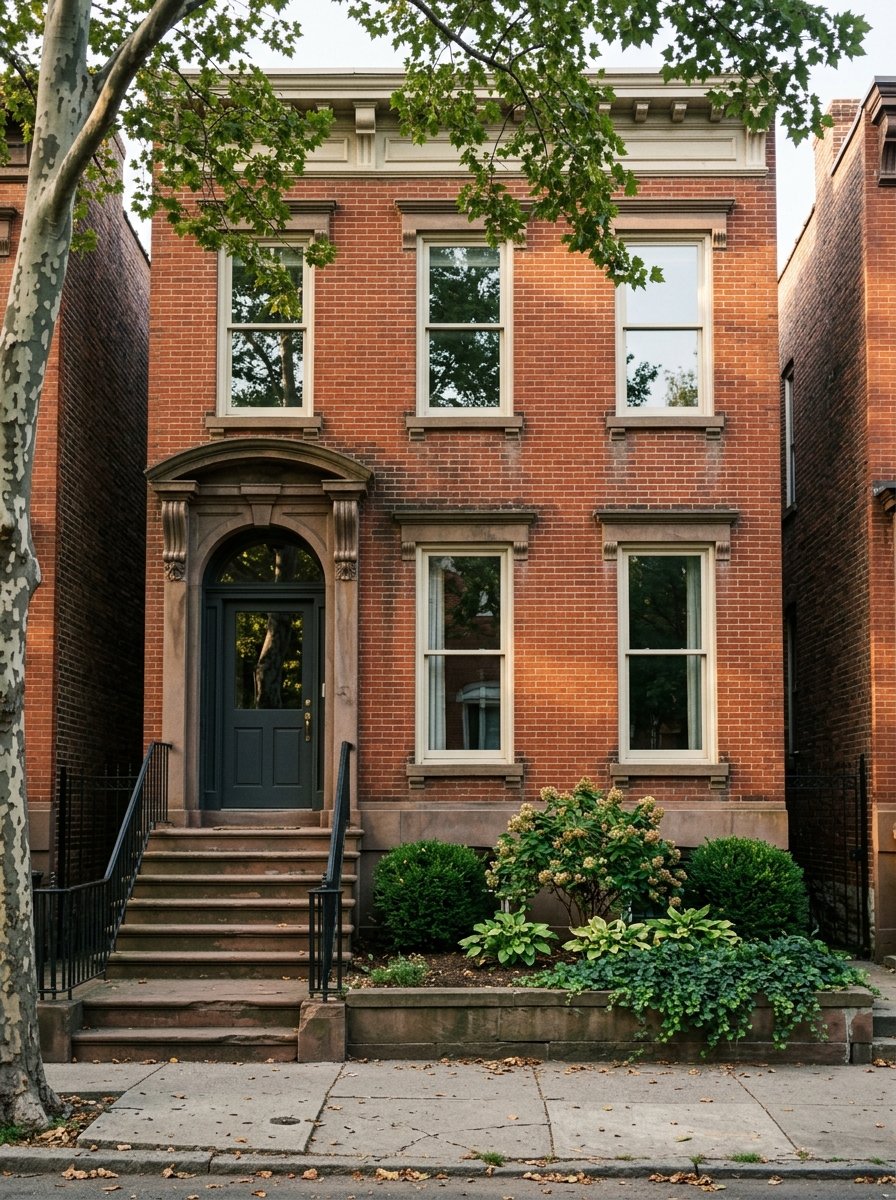
Park Slope is known for a more cohesive low-rise streetscape. Historic district materials describe tree-lined streets, modest scale, and a predominantly residential character, with row houses as the dominant housing type.
Many of the multiple dwellings in Park Slope were built as three- and four-story structures without elevators. If you picture a continuous brownstone-and-stoop setting, Park Slope is more likely to match that vision.
Numbers matter, but so does the way a neighborhood feels when you walk through it on a regular Tuesday.
Prospect Heights is residential, but it also has a more corridor-centered and mixed-use character. Official neighborhood reports point to major thoroughfares like Vanderbilt Avenue and Flatbush Avenue, where multi-family buildings and ground-floor commercial spaces shape the streetscape.
That can be a plus if you like a neighborhood that feels active and layered. If you want your day-to-day environment to blend residential blocks with busier commercial avenues and a little more variety in building type, Prospect Heights may feel like a better fit.
Park Slope has a stronger reputation for continuity. Historic district materials emphasize its tree-lined streets, architectural integrity, and predominant residential character.
In real-life terms, Park Slope often feels more uniformly brownstone and row-house oriented. If you value that classic Brooklyn street rhythm and want a neighborhood that reads as residential block after residential block, Park Slope may be more your speed.
Both neighborhoods benefit from proximity to Prospect Park, but they connect to it in slightly different ways.
Prospect Heights sits closest to the Eastern Parkway cultural corridor. The Brooklyn Museum is located at 200 Eastern Parkway, and Brooklyn Botanic Garden has entrances at 150 Eastern Parkway, 455 Flatbush Avenue, and 990 Washington Avenue.
The Brooklyn Museum notes that the Eastern Parkway-Brooklyn Museum station on the 2 and 3 lines is accessible. Nearby bus stops include the B41 and B69 at Grand Army Plaza and the B45 at St. Johns Place and Washington Avenue. Grand Army Plaza is also identified by Prospect Park Alliance as a formal entrance to Prospect Park.
If your ideal weekend includes easy access to the museum, botanic garden, and the park, Prospect Heights offers a strong mix of all three.
Park Slope is often the better fit if your lifestyle centers on regular park use. Prospect Park Alliance identifies Park Drive as a 3.36-mile loop beginning at Grand Army Plaza, and the park map shows multiple entrances serving the Park Slope side, including 3rd Street, 9th Street, 11th Street, Bartel-Pritchard Square, 16th Street, and Park Circle.
The MTA neighborhood map for Park Slope also shows several nearby subway stops, including 4 Av-9 St, Prospect Av, 7 Av, Union St, and Smith-9 Sts, along with bus routes such as the B37, B61, B63, B67, B69, and B103. If you want easy park entry woven into your daily routine, Park Slope has an edge.
If you are buying, the choice often comes down to how you rank three things: budget, housing type, and lifestyle fit.
Choose Prospect Heights if you want:
Choose Park Slope if you want:
For renters, the picture is a bit more nuanced. StreetEasy currently shows the same median base rent of $4,500 in both neighborhoods, but broader district data suggests Park Slope’s surrounding rental market trends higher overall.
That means your experience may depend heavily on building type, exact location, and whether you are comparing a walk-up, a co-op sublet, or a newer condo rental. Prospect Heights may offer more flexibility if you are open to a wider mix of product, while Park Slope may appeal more if block character is your top priority.
If you are still torn, try this quick filter.
Prospect Heights may be your best match if you want a slightly easier buying entry point, a layered neighborhood feel, and close access to the museum-and-garden corridor along Eastern Parkway.
It is especially appealing if you are open to different property types and want flexibility in your search.
Park Slope may be the better choice if you are drawn to a more established residential setting, classic row-house blocks, and a lifestyle closely tied to Prospect Park.
If the emotional pull of a cohesive brownstone neighborhood matters to you, Park Slope often delivers that more consistently.
Choosing between Prospect Heights and Park Slope is less about picking a winner and more about matching the neighborhood to your priorities. If you want help narrowing your options, comparing specific buildings, or understanding how far your budget can go in each area, Hilah Hadaway Williams can help you make a confident Brooklyn move.
Stay up to date on the latest real estate trends.
With a proven track record and a personalized approach, Hilah delivers a seamless, strategic experience designed around your goals.